Sewing Line Embroidery: A Designer's Market Review
As a professional embroidery designer preparing for a weekend craft fair, every design in my library gets a critical review. I’m looking for pieces that will stand out on a crowded table, attract buyers instantly, and be practical to produce in batches. Today, I’m evaluating the Sewing Line embroidery design, considering it for my lineup of handmade products.
First Impression: Decorative, Clean, and Universally Appealing
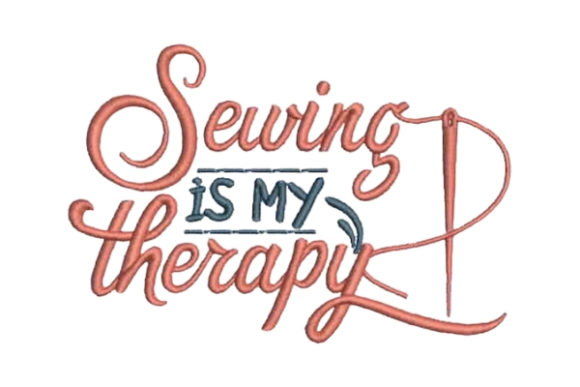
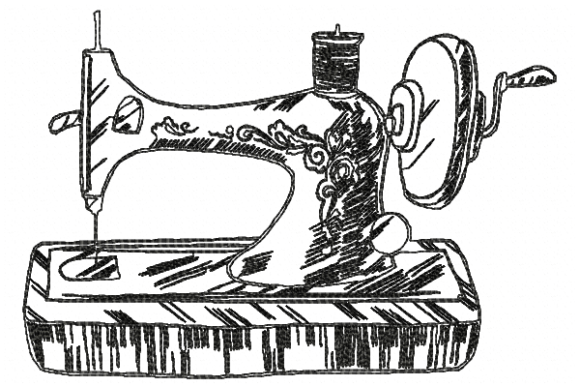
The title Sewing Line suggests a design centered on our craft. Based on the description hinting at a “beautiful embroidery design” for a pillow gift, I anticipate a decorative, possibly text-based or illustrative motif celebrating sewing. This feels neither overly rustic nor ultra-modern; it strikes a soft, decorative note with a touch of that handmade, crafty personality. This is a premium advantage: it doesn’t lock you into a single style like farmhouse or minimal, allowing it to fit into various customer aesthetics. The mood is warm and thoughtful—a “nice gift for someone crafty you love.” That emotional hook is a powerful starting point for market products.
Where Sewing Line Stands Out on the Craft Fair Table
Imagine my booth: tote bags, aprons, tea towels, patches, caps, small pouches, and pillow covers. A design like Sewing Line needs to find its best home to maximize sales. My real-world judgment is that this design would excel as a focal point on giftable, fabric-centric items.
On a standard 14” or 16” pillow cover, as suggested, it becomes a beautiful, intentional statement piece. Pillows are slower movers at fairs but attract serious buyers looking for decorative home accents. For faster turnover, Sewing Line translated onto a tea towel or apron becomes a fantastic kitchen gift. The theme resonates perfectly in that space. On a tote bag or market bag, it acts as a badge of identity for the crafty user, likely appealing to fellow makers shopping your booth.
One crucial craft fair tactic: having a visibly embroidered cap or a small fabric pouch as a booth sample wearing the design. If Sewing Line has any fine lettering or detail, seeing it stitched on a curved cap surface or textured fabric pouch proves its quality and adaptability to customers. This builds immediate trust in your handmade product quality.
Practical Production: Evaluating for Batch Creation
Before committing Sewing Line to a batch of 20 tea towels or 10 tote bags, I must consider production ease. The key questions:
- How dense are the stitch areas? Dense fills on designs meant for towels or bags can be time-consuming and require robust stabilizer.
- Are there tiny details or small lettering? On textured towels or dark fabric, tiny elements can lose clarity, reducing perceived value.
- Does it work as a small accent or need to be large? For multi-item production, a design that scales well is gold. If Sewing Line retains its charm when smaller, it could also be stunning on a patch or pouch zipper pull. If it’s only effective at a larger hoop size, that limits product variety.
The description notes it comes with multiple embroidery file formats, which is essential for using different machines. But I must check the actual file details—recommended hoop size and stitch count—to plan my production. Without knowing exact counts, I advise: always test on scrap fabric of the type you’ll use (like canvas for bags or linen for towels) to inspect stitch density, thread contrast, and overall clarity.
Visual Appeal and Customer Attention at the Booth
In person, embroidery sells through texture and color contrast. Sewing Line needs to photograph well for my Etsy listings later, but at the fair, it must catch eyes from three feet away. I’d test it on a medium-toned fabric first—not pure white or black—to ensure the thread colors (which I’d select carefully) pop. A design with clear, readable elements will engage buyers quickly. They should understand its “sewing” theme at a glance.
If the design feels repeatable, I can create a cohesive brand display: a series of products all featuring Sewing Line in coordinated thread colors. This strengthens booth display power and tells a clear story: I am a maker celebrating making. For the Etsy seller or small shop product, this consistency across product photos also builds a strong digital brand.
The Critical Designer Checklist Before Selling
As a professional, I never skip these steps with any design, especially a freebie, before offering commercial embroidery products:
- Create at least one real physical mockup. Stitch Sewing Line on the actual product (like a pillow cover or towel) you intend to sell. Digital mockups are for listings, but the real item informs your pricing and effort.
- Compare fabric colors. Test how the design looks on light, dark, and textured backgrounds. Some designs vanish on dark fabric without proper thread choice.
- Review spacing and hoop size. Ensure the design fits your standard hoops for efficient production. Forcing a large design onto a small item might compromise detail.
- Use the right stabilizer. For items like tea towels or tote bags, choose stabilizers that support the fabric during stitching and remain clean or easy to remove for the final finished product.
- Confirm commercial use rights. The product category is Freebies and type is Embroidery. I must verify the license explicitly allows selling the physical embroidered products I make. Never assume.
Final Market Judgment: A Thoughtful Gift-Driven Design
Sewing Line presents itself as a beautiful, gift-oriented design. In my craft fair scenario, its best chance to sell is on products explicitly bought as gifts: decorative pillow covers, elegant tea towels, or personalized aprons. It may not be the bold, funny statement that sells instantly on a cap, but it has a softer, lasting appeal that attracts customers looking for a meaningful, handmade purchase.
For production, success hinges on its detail size and stitch density. If it’s clean and not overly complex, batch-producing towel sets or pillow pairs becomes viable. Its value comes from its emotional message—celebrating the crafty person—which elevates a simple towel or bag into a narrative handmade gift.
My recommendation to fellow makers: treat Sewing Line as a premium decorative accent. Use it on high-quality base products, photograph it with natural light to showcase its texture, and in your booth display, pair it with other sewing-themed items to create a compelling niche corner. Always, always stitch it first. Your hands and your machine will tell you if it’s a craft fair winner.