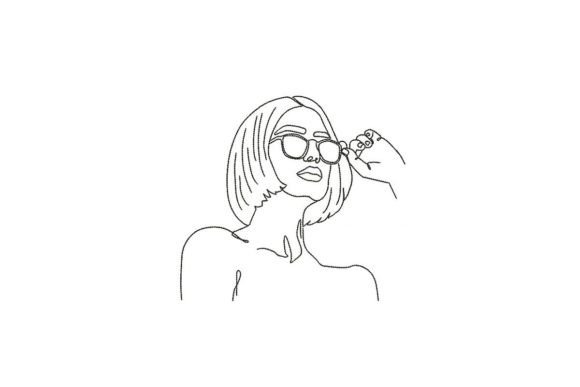
A Woman with Glasses: An Embroidery Designer's Review for Business Use
As a professional embroidery designer, my first task with any new file is to evaluate its potential beyond the artistic appeal. When I look at A Woman with Glasses, described as a fancy embroidery to decorate clothes and interior items, my immediate impression is one of classic, approachable elegance. The title suggests a human, personal touch—a face, a detail—that feels inherently friendly and can resonate deeply with customers. For a small business, this isn't just a decoration; it’s a potential cornerstone of brand identity.
The Visual Personality and Business Appeal
The design’s aesthetic leans towards a handmade, premium feel. The choice of a woman with glasses as a central motif introduces an element of intelligence, creativity, or thoughtful craftsmanship. For a boutique, café, creative studio, or florist, this visual can communicate a story: your business is personable, detail-oriented, and authentic. This is crucial for building customer trust and recognition. The promise that you can choose the color scheme at your discretion is a powerful asset. It means this embroidery file can be adapted to match your exact brand colors, ensuring visual consistency across all merchandise.
Performance in Real-World Business Applications
For a small business owner looking to create branded merchandise, A Woman with Glasses offers versatile applications. Let's explore its performance in typical commercial embroidery projects.
Embroidered Patches and Product Labels
An embroidered patch using this design could be exceptional for adding value to products. For a handmade shop or Etsy seller, a small patch featuring A Woman with Glasses sewn onto a tote bag, apron, or even as a product packaging accent elevates a simple item into a branded, premium handmade product. However, its success at a small patch size depends entirely on the detail level of the file. A key designer note: always test the embroidery file at the intended small size first to ensure the facial features and glasses remain clear and distinct without becoming a muddy blob of stitches.
Staff Uniforms and Apparel Branding
Imagine this design as a chest logo accent on a café server’s polo, a sleeve detail on a boutique’s work shirt, or centered on a bakery’s apron. It projects a professional yet friendly team identity. The design could also work beautifully for cap embroidery, but caution is needed on curved surfaces like cap fronts. Stitch density and design orientation must be checked to prevent distortion. For dark uniforms, the advised right selection of materials for embroidery is paramount—you’ll need high-contrast thread colors and possibly a lighter underlay to make the design pop.
Tote Bags, Customer Gifts, and Event Merch
This is where A Woman with Glasses can shine as a primary brand mark. A well-executed embroidery on a tote bag creates a lasting, usable piece of merchandise that customers carry daily, increasing brand exposure. For event merch or customer gifts, the elegant, decorative nature of the design makes it feel like a special keepsake, boosting buyer engagement.
Where to Use This Design with Care
Not every application is automatic. A professional review means identifying limitations to ensure a flawless finished product.
- Very Small Patch Sizes: If the file is highly detailed, reducing it for a tiny product label might lose definition. Always create a test sew on real fabric.
- Cap Fronts and Curved Surfaces: The shape of glasses and facial outlines may need adjustment to sit correctly on a curved cap dome. Use proper stabilizer and consult your machine settings.
- Items for Frequent Washing: For aprons or work shirts that undergo heavy wear and washing, a robust stitch construction is needed. Check the file’s stitch density—too high can stiffen fabric; too low may not withstand laundering.
- Textured or Stretchy Fabrics: The description mentions interior items, which might include towels or cushions. Embroidering on textured fabric requires careful stabilizer choice to preserve the design’s clean lines.
Critical Embroidery Designer Notes for Commercial Success
Before running this digital embroidery file for any business merchandise, follow this practical checklist.
- Test in Black and White First: Sew a sample using only black thread on white fabric and white on black. This reveals the pure form and outlines, stripping away color bias. It’s the best way to see if the design’s structure is sound.
- Review Thread Color Contrast: When choosing your discretionary color scheme, consider how the colors interact on your final fabric. High contrast ensures readability and brand recognition.
- Inspect Spacing and Hoop Size: Confirm the required hoop size for your target items. A design meant for a large interior cushion might not efficiently fit on a small cap hoop without significant editing.
- Create a Printable Mockup for Client Approval: If you’re an embroidery shop producing for a client business, always provide a visual mockup. Place A Woman with Glasses beside their other brand assets to ensure harmony.
- Compare It to Business Goals: Ask: Does this design feel professional enough for a corporate uniform? Does it feel playful enough for a pet brand? Its flexible elegance is a strength, but it must align with your specific brand identity.
- Confirm Commercial Licensing: As this is listed under Freebies, verify the license terms explicitly. Ensure the embroidery file is cleared for commercial use on the merchandise you plan to sell before production begins.
Final Thoughts on Value and Brand Impact
A Woman with Glasses is more than a fancy decoration. For the savvy small business owner, apparel decorator, or merch creator, it is a design asset that, when executed well, can enhance product value and handmade presentation significantly. It invites a personal connection, making branded patches, uniforms, and tote bags feel less like generic advertising and more like an extension of your business’s story. The ability to customize the color scheme makes it a versatile tool for visual consistency across a product line. Remember, the right selection of materials for embroidery—from thread to stabilizer to fabric—will make the difference between a good custom apparel item and a great one. Approach this design with a professional’s eye: test meticulously, plan its application carefully, and it can become a quiet, elegant powerhouse for your brand’s embroidered merchandise.