Prince: A Versatile Design for Boutique Sweatshirts
When a boutique brand plans a limited sweatshirt drop, selecting the right embroidery design is paramount. It’s not just about decoration; it’s about creating a cohesive product that feels intentional, high-quality, and aligned with your shop’s identity. Today, I’m reviewing the Prince machine embroidery design from that exact perspective: considering its application on a premium sweatshirt collection for a small, online shop.
First Impression: Character and Mood
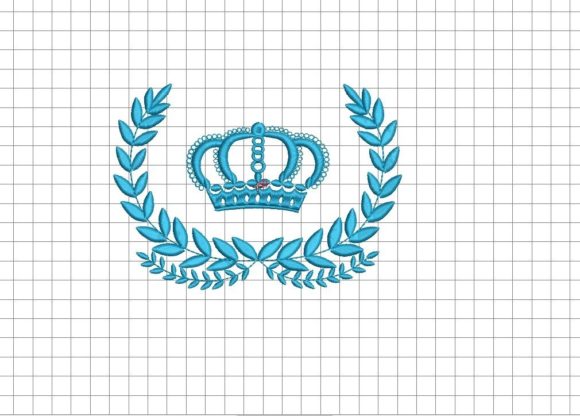
The title Prince immediately suggests a theme of playful nobility, something sweet and special. Given the product description—that it’s intended for a baby boy’s outfit—the design’s mood is likely leaning towards cute, decorative, and possibly a touch playful. For a boutique translating this onto sweatshirts, the first question is: does this feel premium and cohesive for an adult or child’s apparel line, or is it exclusively infant-focused? The versatility mentioned—that it will look great on bibs, onesies, blankets, or more—is promising. It hints at a design with a balanced detail level that isn’t overly juvenile, potentially allowing it to scale beautifully onto a larger canvas like a sweatshirt.
The stitching personality will be key. If the design has clean lines and thoughtful composition, it can elevate a simple sweatshirt into a handmade product with charm. On a neutral sweatshirt—like heather grey or oat—Prince could feel modern and minimal. On a dark fabric, such as a charcoal or navy hoodie, it would need sufficient thread color contrast to pop, possibly requiring lighter or pastel thread choices to maintain that cute, readable aesthetic.
Application on Sweatshirts & Hoodies
Let’s talk real placement. For an oversized hoodie, a chest placement is classic. Prince would sit left-center, becoming a subtle brand accent. The design’s scale matters immensely here. If the stitch density is appropriate and the layout isn’t too sparse, it will look intentional and withstand the fabric thickness of a cozy sweatshirt. A sleeve accent could work if the design is suitably linear or compact, adding a detail that feels bespoke. For a more statement hoodie design, a larger back placement might be considered, but that depends entirely on the design’s inherent size and complexity as provided in the embroidery file.
For boutique brand merchandise, applying Prince onto pastel-colored apparel—like a soft pink or mint sweatshirt—could lean into a more feminine or gentle interpretation, appealing to a wider audience than just baby boys. This flexibility is a huge asset for small shop products. It allows you to create a cohesive seasonal collection across different colorways.
Practical Design Concerns for Production
Before hooping the first sweatshirt, several technical questions must be answered by the digital embroidery file itself. Stitch density is critical for sweatshirt embroidery. Too dense, and it might pucker or feel stiff on the soft fabric. Too light, and it may not feel substantial or durable. The choice of stabilizer will be directly influenced by this density and the fabric texture.
Small-size readability is another factor. Even if the design is scaled up for a sweatshirt, its core elements must be clear when stitched. Does Prince have fine details that could get lost or become fuzzy on a fleece-backed fabric? This affects its perceived quality. Hoop size requirements, while not specified in the description, are a practical gatekeeper. You must confirm the design fits within your machine’s capabilities and the sweatshirt’s available flat area.
For commercial embroidery use, durability is non-negotiable. The design must feel strong enough for apparel that will be washed and worn. A robust outline and solid fill areas would contribute to that washing durability and long-term customer satisfaction.
Enhancing Brand Value and Presentation
Using a design like Prince effectively isn’t just about stitching; it’s about building your brand identity. On a finished sweatshirt, it becomes a point of visual recognition. In lifestyle product photography, a well-embroidered Prince design on a cozy, textured sweatshirt tells a story of care and craftsmanship. It elevates the product from generic to custom apparel.
For your Etsy listing or shop page, using high-quality printable mockups or photos of the actual embroidered piece can significantly boost customer engagement. It shows the design in context, helping buyers visualize it on their own hoodie or as a gift. This transparency builds buyer trust and directly affects product value. A clean, well-executed embroidery signals a premium, attentive handmade presentation.
Remember, the product category is Babies & Kids and the type is Embroidery. This roots the design in a certain niche, but as discussed, its application can extend into unisex or adult styles if the aesthetic allows. The description notes it comes with multiple embroidery file formats, which is essential for production. Before any production, verify those specific file types, included sizes, and any licensing terms to ensure smooth integration into your custom apparel branding process.
Final Thoughts for Creative Entrepreneurs
Prince presents an opportunity. It’s a design with a suggested theme that can be interpreted through your choice of thread colors, fabric colors, and placement to fit your boutique’s unique mood—whether that’s rustic, minimal, bold, or casually cute. Its potential success on sweatshirts hinges on the technical details within the machine embroidery design files. As an embroidery designer preparing for a limited drop, my advice is to stitch a test sample on the exact sweatshirt material you plan to use. Evaluate its contrast, density, and overall feel. That hands-on test will confirm if Prince is the right design asset to transform your cozy seasonal apparel into a standout, finished product that your customers will love.