Boo Embroidery Design: A Practical Review
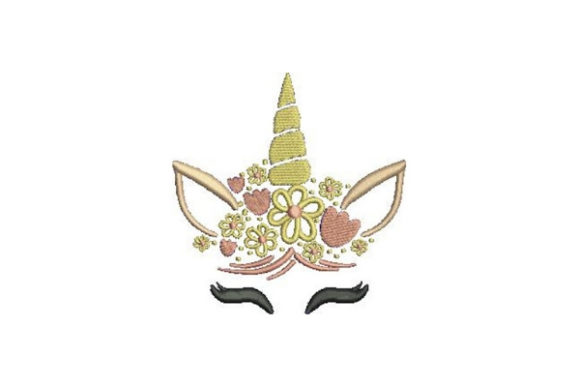
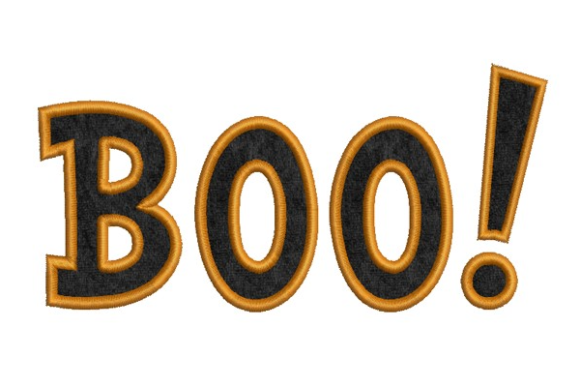
Every time I approach a new embroidery design for real-world use, whether it's for a custom client piece or for my own small business inventory, I try to picture it stitched out and living on a finished product. That first impression tells me almost everything. So, when I look at this design titled Boo, my immediate thought is that it has a gentle, playful personality. The shape and theme evoke a friendly, almost storybook charm. It's not overly detailed or aggressive; it carries a soft visual mood that naturally belongs in the world of children’s items and heartfelt gifts.
The Kind of Projects Where Boo Would Shine
Let’s imagine a real scenario: a customer requests a personalized baby gift—perhaps a set of coordinating items for a nursery. I’m thinking of a small hoop size project, like a pillow cover or a decorative tea towel. Boo would be perfect here. Its layout feels inherently suited for a central, focal-point placement. I can also easily see it scaled appropriately for the corner of a baby blanket or the front of a simple cotton tote bag meant for carrying toddler essentials. For a craft business owner or Etsy seller, this design translates into products that feel warm and handmade, not mass-produced. It adds a touch of personalized care to custom apparel like a little sweatshirt or a knit cap.
The appeal extends beyond just baby embroidery. This design could easily become a sweet holiday gift embroidered on a kitchen apron or a cozy pillow. Its universal friendly character makes it a safe bet for boutique products where visual recognition and giftability are key. For apparel decorators, it’s a design that wouldn’t overwhelm a garment; it would complement it. In a printable mockup for an online shop, it would present as a clean, attractive design asset that communicates value.
Where You Might Need a Careful Approach
As a professional, I always consider where a design’s strengths might meet practical challenges. With a design like Boo, the level of detail and the potential for small elements mean you should think about your fabric choice. On highly textured fabrics or very thin, stretchy materials, achieving stitching clarity on any finer lines or accents will require careful stabilizer selection. If you're planning to place it on a curved surface like a cap, you’ll want to check how the design’s layout adapts to that shape.
Dark fabric backgrounds are another consideration. The mood of Boo is light and playful, so thread color contrast is crucial. You’d want to test it on a dark scrap first to ensure the intended personality comes through. For products destined for frequent washing, like baby clothes or kitchen towels, reviewing the stitch density in any fill stitch areas is wise—too dense can make the fabric stiff, too sparse might not wear well. This isn’t a criticism of the design itself, but rather a standard note for any embroidery project: know your application.
How This Design Impacts Your Work and Your Customer
From a business perspective, using a well-executed design like this affects more than just the stitch-out. It influences customer trust and your brand’s professionalism. A clean, cheerful embroidery on a finished product speaks to quality. For a handmade shop owner, it supports brand consistency if you’re curating a line of gentle, whimsical items. For a digital product seller offering the file itself, it’s a design that promises a straightforward, satisfying embroidery project for your buyers.
I think the real value of Boo as a machine embroidery design is in its versatility within its niche. It doesn’t try to be everything; it feels specifically tailored for the Babies Kids category and gift-oriented embroidery, and that focus is a strength. A customer receiving a tote bag or a baby item adorned with this would likely react to its simple, friendly charm—it’s approachable. That engagement is what turns a craft into a cherished item.
Practical Notes for Your Embroidery Project
Before you run this design on a final product, here are the steps I always take. First, test it on scrap fabric that mimics your final material. This lets you check thread colors, see how any satin stitches or fill stitches lay, and inspect small details for clarity. Compare how it looks on both a light and a dark background if you plan to use it on various fabrics.
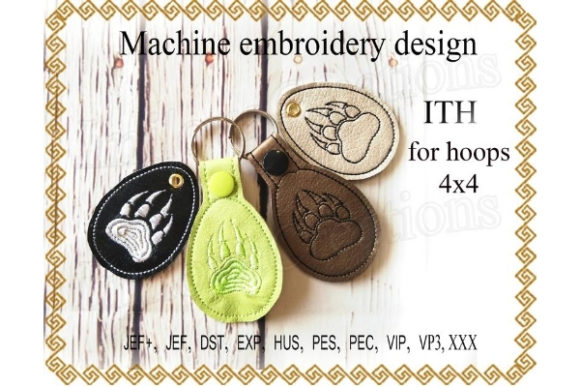
Confirm the hoop size you’ll need. Since the product description mentions it comes with multiple embroidery file formats, you’ll have flexibility for different machines, but always ensure the physical size of the design fits your project canvas. Check the stitch density in your test piece; is it appropriate for your fabric type? Use proper stabilizer—this is non-negotiable for professional results.
Finally, a crucial note for commercial use: confirm the licensing before selling finished items or digital products made with this design. The description states it can be used on clothes or as a gift, but for business applications, you need explicit clarity on commercial rights. This protects your craft business and ensures you’re using the design asset appropriately.
In essence, Boo presents itself as a beautiful, straightforward embroidery design that fulfills a specific role very well. It’s a design you can confidently use for projects that require a touch of gentle, playful personality. By applying these practical judgments and preparations, you can turn this digital embroidery file into a finished product that truly resonates.