Craft Fair Magic: Reviewing a Unicorn Applique Embroidery Design
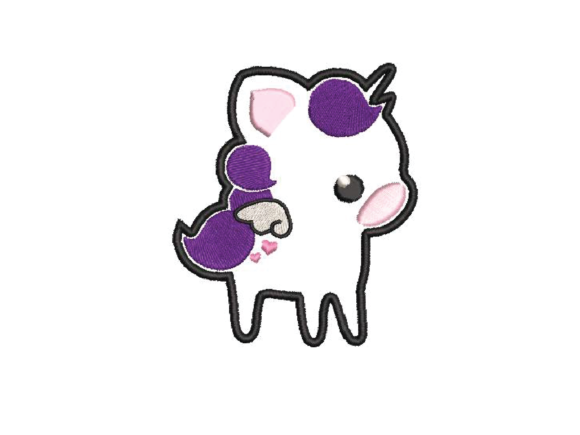
As an embroidery designer preparing for a weekend craft fair, every design in my library gets a critical review. I’m looking for files that will translate into products that not only look beautiful but are practical to produce in batches and irresistible to customers browsing my booth. Today, I’m evaluating the Unicorn Applique design from the Baby Animals category. Here’s my real-world assessment from the perspective of someone stocking a table with tote bags, aprons, tea towels, patches, caps, and more.
First Impression: Whimsical Charm with Sales Potential
The first thing that strikes me about a unicorn-themed applique is its inherent whimsical charm. It leans heavily into the cute and decorative aesthetic, which is a perennial favorite, especially for giftable items. This isn’t a rustic farmhouse or minimal modern design; it’s playful and magical. This mood immediately suggests a strong appeal to a specific customer: parents, grandparents, children, and anyone looking for a touch of fantasy. On a crowded craft fair table, this kind of clear, thematic design can catch the eye quickly. Its value lies in its universal recognition and positive emotional association.
Performance Across Key Craft Fair Products
My booth strategy involves applying a great design across multiple products to maximize its appeal. Here’s how I envision the Unicorn Applique performing on various handmade items.
Standout Items for Maximum Impact
Tote bags and market bags are a prime canvas. A well-placed unicorn on a solid-colored bag creates a focal point that tells a story. It transforms a simple bag into a special one. For children’s items like small fabric pouches or pillow covers, it’s a perfect fit, likely becoming a quick-selling gift. Embroidered patches featuring this design would also be incredibly popular, offering versatility to the customer. On a tea towel or apron, it leans more into decorative kitchen charm, appealing to those who want a hint of magic in their daily chores.
Considerations for Tricky Surfaces
Applying it to caps requires careful thought due to the curved surface. The design’s complexity—likely involving mane details, horn, and facial features—must be evaluated for potential distortion on a curved hat. A simpler, slightly adapted version might be safer. For dark fabrics, thread color contrast is paramount. I would need to test to ensure the chosen palette pops and doesn’t get lost, preserving the design’s clarity.
The Online Sales Angle: Etsy and Mockups
For my Etsy listings and online shop, this design photographs well. The cute, recognizable subject matter is excellent for printable mockups and digital assets, helping customers visualize the product instantly. It tells its own story, reducing the need for lengthy descriptions.
Practical Production & Selling Points
Turning a digital embroidery file into a batch of craft fair products requires a practical eye.
Batch Production and Clarity
The Unicorn Applique appears to be a cohesive, single-focus design, which is good for repeatable batch production. I would assess whether it works as a smaller accent or needs to be a larger centerpiece. Its suitability for smaller items like pouches depends on stitch density and tiny details. If the design has very small elements or intricate lettering, reducing its size might cause a loss of clarity, especially on textured towels or thicker fabrics. This is a key point to test before committing to a production run.
Boosting Booth Appeal and Buyer Engagement
In the booth, a cohesive display of unicorn-themed products across different items creates a strong visual theme. It shows brand consistency and craftsmanship. A customer who loves the theme might buy a matching towel and pouch, increasing engagement. The handmade quality is conveyed through clean stitching and smart product choices. It enhances perceived product value by turning ordinary items into special, themed goods.
Essential Embroidery Designer Notes Before Production
Before I stitch this on any product destined for sale, a series of quality checks are non-negotiable.
- Test on Scrap Fabric First: I must run the machine embroidery design on similar scrap fabric to my final products (like canvas for bags, linen for towels). This reveals how stitch density behaves and if any puckering occurs.
- Check Thread Contrast and Colors: On both light and dark background samples, I confirm the thread palette provides enough pop and visual separation.
- Review Spacing and Hoop Size: I verify the design’s dimensions fit my intended hoop size for each product type. I also check that elements within the design aren’t too close together, risking thread buildup.
- Inspect for Dense Stitch Areas: Areas like a filled unicorn body could be dense. I need to ensure my stabilizer choice is robust enough to handle this on my chosen fabric without distortion.
- Create a Real Physical Mockup: At least one finished sample product—a real tote bag or towel—is made. This is what I’ll display at the fair. It lets me judge the final look, feel, and customer appeal in person.
- Compare Across Fabric Colors: I stitch it on a few different color backgrounds to offer variety at my booth and see which combinations sell the idea best.
- Confirm Commercial Licensing: The product description mentions it’s a digital design for machine embroidery. Before selling any finished product, I must absolutely confirm that my purchase includes a commercial license for producing and selling embroidered items. This is a critical step for any small shop product or commercial embroidery business.
Finally, since specific details like exact stitch count, file formats, or included hoop sizes aren’t provided in the basic description, I advise any fellow maker to seek out that information from the designer or listing before beginning production. It ensures the Unicorn Applique transitions smoothly from a charming digital file to a magical, profitable star of your craft fair booth.