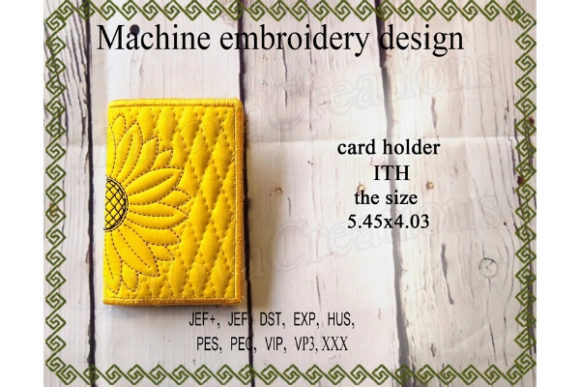
Card Holder in the Hoop: A Craft Fair Product Review
As an embroidery designer preparing for a weekend craft fair, every new design gets a practical review. It’s not just about the stitches; it’s about how it will perform on the table, in the hands of a customer, and in your production schedule. Today, I’m looking at the Card Holder in the Hoop embroidery design. This is a straightforward review focused on turning a digital embroidery file into a profitable, handmade product.
First Impression: Clean, Practical, and Instantly Understandable
The title Card Holder in the Hoop tells you exactly what it is. There’s no mystery. This gives it a modern and functional feel. It’s not overly rustic or fussy. For a craft fair audience looking for useful, well-made items, this clarity is a strong starting point. The design promises a high-quality embroidery, and that’s the first box to check: it needs to look crisp and professional on a finished product.
Where It Stands Out on the Craft Fair Table
Imagine your booth filled with embroidered tote bags, aprons, tea towels, and small pouches. The Card Holder in the Hoop design won’t be the loudest, funniest, or most festive piece. Its strength is as a smart, decorative accent. On a busy table, it will attract customers who appreciate organization and clean design. It has a premium, giftable quality.
I see it excelling on specific products:
- Tote Bags & Market Bags: Placed neatly on a front panel or pocket, it adds value and purpose. It transforms a simple bag into a “organized carry-all.”
- Fabric Pouches & Small Gift Items: This is its natural home. Embroidered on a pouch meant for cards, coins, or jewelry, the design and product function align perfectly.
- Aprons & Tea Towels: For kitchen or craft aprons, a card holder patch is a clever, practical addition. On a tea towel, it might be less intuitive, but on a towel meant as a gift for a gardener or crafter, it could be a charming, useful detail.
- Embroidered Patches: This design could be produced as a standalone patch. Customers could buy it to add function to their own bags or organizers. It’s a versatile small shop product.
- Pillow Covers: Less obvious, but on a decorative pillow for a reading nook or office space, it could be a whimsical, conceptual detail.
The key is to pair it with a product that reinforces its purpose. A card holder embroidered on a cap, for instance, might confuse a buyer at a glance. Context matters.
Production Practicality for the Maker
Turning this design into a batch of craft fair products requires a hands-on evaluation.
Stitch Density and Fabric Considerations
Without knowing the exact stitch count, any dense embroidery design needs careful testing. Card Holder in the Hoop likely involves fine lines and potentially small lettering for the “holder” aspect. This means:
- Test on Scrap Fabric First: Always. Run it on the actual fabric you plan to use—cotton canvas for totes, linen for towels, twill for caps.
- Watch for Tiny Details: On textured towels or curved cap surfaces, small elements can lose clarity. You may need to adjust hoop size or stabilize aggressively.
- Thread Contrast is Crucial: On dark fabric, ensure your thread color pops. On light fabric, a dark thread will make the clean design stand out. This dramatically affects visual appeal.
- Stabilizer Choice: A design like this needs a good stabilizer to prevent puckering, especially on lighter-weight fabrics like those used for pouches. Poor stabilization cheapens the handmade quality.
Batch Production and Photography
For an Etsy seller or boutique maker producing multiple units, this design looks highly repeatable. Its clean, likely symmetrical layout means consistent results across multiple hoops. It photographs well for online listings because it’s not overly complex; the message is clear even in a thumbnail. Creating at least one real physical mockup is non-negotiable. A printable mockup is helpful for planning, but the real product tells you how it feels in person—the texture of the stitches, the weight of the thread.
Selling Power and Booth Impact
At the fair, this design affects your booth in several ways.
Customer Attention and Product Value
A Card Holder in the Hoop embroidery adds perceived function. It’s not just decoration; it’s a feature. This can justify a slightly higher price point compared to a plain item. When a customer sees it on a tote bag, they immediately imagine using it. That engagement is a direct path to a sale. For the buyer who values handmade quality with a practical twist, this design is a winner.
Brand Consistency and Display Strength
If your brand leans toward modern, minimalist, or practical crafts, this design reinforces that. Having a cohesive table where several products feature this clean, functional embroidery creates a stronger, more professional display. It shows thoughtful curation of your embroidery designs.
Final Designer Notes Before You Stitch
My professional advice before you load this machine embroidery design and start production:
- Confirm the Details You Don’t Have: Check the provided embroidery file formats for compatibility with your machine. Confirm the recommended hoop size. Review any included notes on stitch density or thread color suggestions.
- Licensing for Commercial Embroidery: Ensure your purchase includes a commercial license to sell finished products. This is the foundation of your digital embroidery file business.
- Compare Fabric Colors: Hold your thread colors against a range of fabric swatches. Sometimes a design looks perfect on white but truly shines on a muted sage or a deep navy.
- Inspect Spacing and Alignment: Hoop your test fabric perfectly. Designs with precise elements like this one can look off-center if hooping is inconsistent, affecting batch production quality.
- Plan Your Product Range: Don’t just stitch one item. Make a small batch of pouches and one standout tote bag as your booth sample. Show the design’s versatility. This gives customers options and you, the maker, multiple sales avenues.
The Card Holder in the Hoop design is a solid, high-quality embroidery ready for your next sewing project. Its success at your craft fair booth hinges on pairing it with the right product, executing it with technical care, and presenting it as a smart, useful enhancement to everyday items. It’s a design that speaks to the organized, appreciative customer—a valuable niche in the bustling handmade market.