A Spiderweb Design: Is It Practical for Real Projects?
As someone who stitches for clients and my own shop, I always judge a design by its final, threaded form. Let’s talk about Spiderweb. The name conjures a classic image—delicate, geometric, and a little bit mysterious. It’s a free embroidery design, which always piques my interest, but the real question is: how does it translate from a digital file to a tangible, sellable product?
First Impressions: Mood & Market Fit
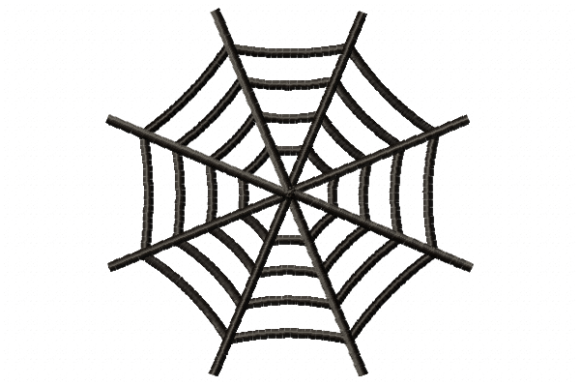
The immediate feel is not spooky, but elegant. A well-drawn spiderweb suggests craftsmanship, intricacy, and a touch of nature. This isn’t a Halloween-only motif; it has a timeless, artisanal quality. I envision it on a minimalist tote bag for a boutique or as a subtle accent on the cuff of a linen shirt. For children, as the description suggests, it could be wonderfully whimsical on a nursery blanket or a knit hat, softening the theme. The layout likely relies on fine lines and open spaces, which means it can feel light and graphic, not dense or heavy.
This design naturally belongs to projects where detail is appreciated. Think custom apparel for a niche market, handmade kitchen towels with a botanical twist, or a personalized gift like a pillow cover for someone who loves garden motifs. Its visual personality is quiet but deliberate, making it a strong candidate for brand consistency in a small shop focused on nature-inspired goods.
Where the Spiderweb Stitches Up Beautifully
In real-life embroidery projects, a design like this thrives on smooth, stable fabrics. Imagine stitching it onto a cotton canvas tote bag. The fine lines would render with clean running stitches, creating a sharp, professional look that elevates a simple product. On a baby’s organic cotton romper, it becomes a delicate, heirloom-quality detail. For Etsy sellers and craft fair products, this design could be the central asset on a series of embroidered patches, appealing to customers looking for unique, non-floral motifs.
Because it comes in multiple embroidery file formats, it offers flexibility for different machines, which is crucial for commercial embroidery workflows. This is a genuine advantage. You could use it for a small run of custom aprons for a local business or create a line of holiday embroidery gifts, like framed hoop art. In printable mockups for your digital product listings, a clean spiderweb design presents well, suggesting clarity and easy application for your buyers.
Scenarios Where It Might Struggle
However, this design demands careful application. On highly textured fabrics like thick sweaters or loosely woven linens, those fine lines could get lost or distorted. Stitch density is key here—if the web is made with very light stitching, it may not pop on dark fabric without excellent thread color contrast. I would be cautious about putting it on a curved surface like a cap without extensive testing; the symmetrical radials of a web could look warped if not perfectly aligned.
Also, for products needing frequent washing, like a child’s garment, you must ensure the design is stitched with secure stitches and proper stabilizer. Any tiny, delicate corners could be vulnerable to snagging. For small hoop sizes, the design’s detail level must be inspected; shrinking a complex web too much might turn fine details into a blur.
Impact on Your Business & Craft
From a commercial perspective, Spiderweb affects visual appeal and customer trust. A neatly embroidered web on a finished product signals attention to detail. It can increase product value by turning a simple tea towel into a specialty item. For giftability, it’s unique—it feels more thoughtfully selected than a generic flower. This can drive buyer engagement in your Etsy listings or small shop product pages.
For your craft business, using such a design consistently can build a recognizable aesthetic. It’s a digital embroidery file that, if licensed appropriately for commercial use, becomes a reliable design asset. Its handmade presentation is inherently professional if executed well, supporting the perception of your brand as skilled and creative.
Practical Notes Before You Hoop It
My advice is always to test the design on scrap fabric first. Use the same material you intend for the final project. Check how the small details, especially the central points and outer connections of the web, stitch out. Review it in both black and white mockups to gauge its versatility on light and dark backgrounds.
- Always check thread color contrast. A light grey on white might vanish, while a stark white on black could be stunning.
- Confirm hoop size requirements. While the product description doesn’t specify, your machine software will show the design dimensions. Ensure your target hoop size can accommodate it without compromising detail.
- Use proper stabilizer. For lightweight or stretchy fabric, a good stabilizer is non-negotiable to maintain the web’s shape.
- Most critically, confirm licensing before selling finished items. Since this is categorized as a Freebies design, understand the terms. Can you use it for commercial embroidery projects and sell the physical products? Or is it for personal use only? This step protects your business.
In summary, Spiderweb is a design with a lot of potential for thoughtful, high-quality projects. Its success hinges on your fabric choice, technical execution, and clear understanding of its license. When stitched with care, it can become a standout feature on everything from a personalized gift to a line of boutique branding merchandise. It reminds us that even free designs require professional judgment to truly shine in the real world of thread and cloth.