A Professional Review of the Unicorn Head Embroidery Design
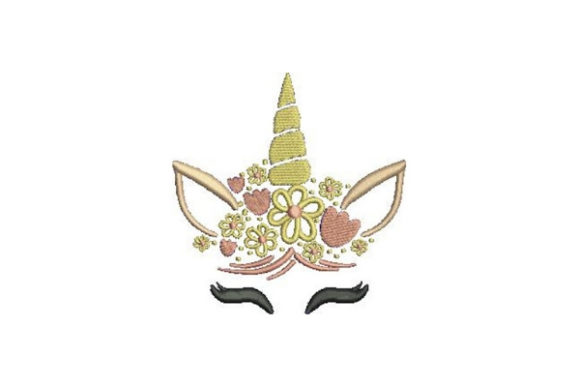
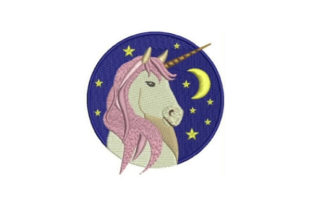
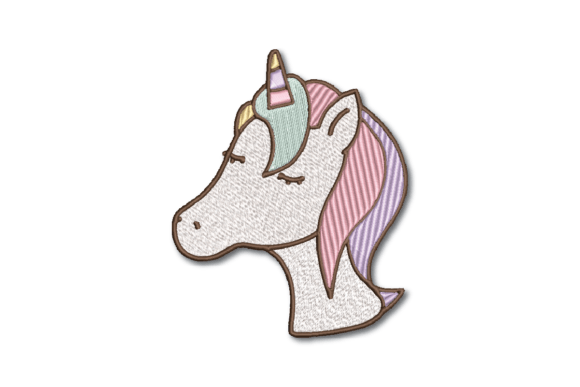
As I prepare my booth for another busy craft fair weekend, my first task is to review new designs. Today, I’m looking at Unicorn Head, a Fairy Tales themed embroidery file. My goal is always to judge a design through the lens of a seller: will it look good in person, is it practical to produce in batches, and will it catch a customer's eye from across a crowded market?
First Impression & Market Mood
The title Unicorn Head immediately suggests a design that is cute, decorative, and inherently giftable. It leans towards a soft, whimsical aesthetic rather than a rustic or minimal one. This is a crucial first filter. In a bustling craft fair environment, designs need to communicate their mood instantly. A unicorn conveys fantasy, charm, and a touch of magic, which resonates with a wide audience—from parents buying for children to adults seeking a cheerful accent. For my handmade shop brand, it fits a consistent theme of playful, premium-quality decorative items.
Where Unicorn Head Shines on Products
I visualize my table display: embroidered tote bags, aprons, tea towels, caps, and a selection of small giftables like pouches and pillow covers. Where does this design stand out?
On a large canvas like a market bag or tote, Unicorn Head could serve as a beautiful focal point. Its decorative nature makes it feel like a complete illustration, elevating a simple bag into a special, handmade product. For apron embroidery or a tea towel, it would act as a charming accent near the hem or pocket, adding value and turning a utilitarian item into something delightful.
Perhaps its strongest potential lies in smaller, gift-oriented items. An embroidered patch featuring this design could be incredibly popular, easily applied to jackets or backpacks. On a small fabric pouch or a pillow cover for a child’s room, it becomes the star feature. The whimsical theme also makes it a prime candidate for caps, though the curved surface requires careful planning.
Practical Production & Selling Points
From a production standpoint, I consider several factors. Is the design easy to understand at a glance? A clear, recognizable unicorn head likely is, which is vital for quick customer engagement at a fair. For batch production, the design’s repeatability is key. If the stitch density is well-balanced and not overly complex in tiny areas, it can be run efficiently on multiple items.
A major consideration is how it photographs for my Etsy listings and printable mockups. Designs with good contrast and clean lines look sharp online, which directly impacts sales. The Unicorn Head design, being a singular illustrative element, should photograph well against various fabric backgrounds, helping it stand out in a digital marketplace.
The Crucial Details: Application & Caution
The product description wisely advises to always run a sample on test fabric. This is non-negotiable for a professional. Before I commit to any craft fair product, I must create at least one real mockup.
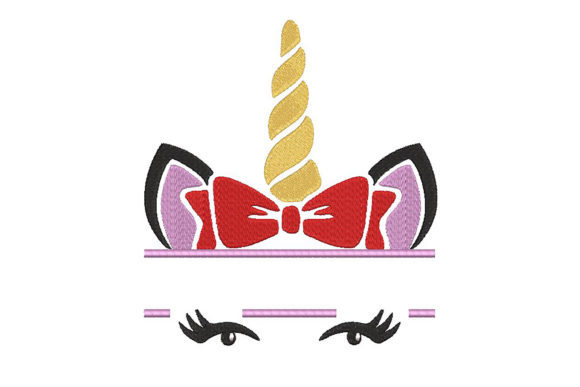
I immediately think of potential challenges. Does the design have intricate details, like small horn textures or delicate facial features, that might lose clarity on textured towels or when stitched very small? How does it perform on dark fabric? I would test thread contrast meticulously. Dense stitch areas, if present, can affect the feel on thinner fabrics like pouches and require the correct stabilizer.
For items like caps, the curved surface demands a design that adapts well; I’d need to confirm the appropriate hoop size and technique. The note about alterations affecting output reminds me to treat the digital embroidery file as a precise design asset and not modify it, ensuring consistent quality across all finished products.
Boosting Booth Appeal & Buyer Engagement
At the fair itself, visual appeal drives sales. A well-embroidered Unicorn Head on a bright tote bag can act as a powerful booth sample, drawing people in. It creates an emotional hook—nostalgia, whimsy, joy. This enhances perceived product value. When customers see the clean stitches and vibrant threads on real items, it underscores the handmade quality and care invested.
This design also encourages engagement. It’s a natural conversation starter (“My daughter would love that!”), which is the heart of successful fair selling. It can strengthen brand consistency if my shop carries a line of magical or storybook themes.
Final Designer Notes Before Production
My review process concludes with a concrete checklist. For the Unicorn Head design, I would:
- Test it on multiple fabric textures: canvas for bags, linen for towels, cotton for patches.
- Compare its appearance on light and dark fabric colors to plan my product range.
- Inspect the actual stitch density on scrap fabric to gauge thread usage and time.
- Review the spacing of elements to ensure it looks balanced on the final hoop size.
- Confirm all licensing for commercial embroidery use before selling any finished goods.
- Create a physical sample for my display and for photography—this real-world test is the ultimate judge.
By approaching every new design like this—with a focus on real-world display, production practicality, and customer psychology—I build a product line that not only looks beautiful but sells effectively. The Unicorn Head embroidery design, with its clear charm and decorative strength, has the potential to become a standout in my collection for craft fair booths and my small shop online, provided those essential tests confirm its versatility and quality on the final products.