A Flamingo Swimming Balloon Embroidery Design Review
As a designer who stitches for clients and my own shop, I evaluate every embroidery file with a practical eye. It’s not just about whether it’s pretty; it’s about how it performs on real fabric, how it feels in the hoop, and what kind of finished product it creates. Today, I’m looking at the Flamingo Swimming Balloon, a freebie design that promises to make your things unique. Let’s see if it lives up to that promise for real project use.
The Immediate Mood and Visual Personality
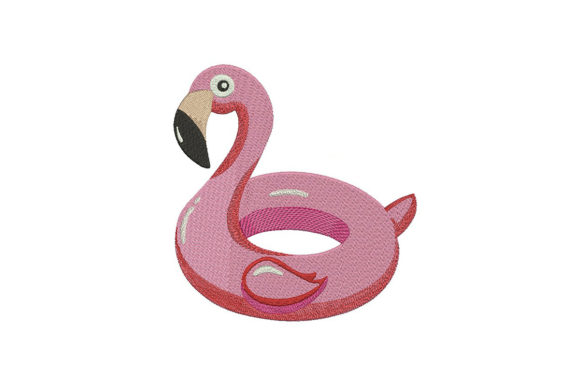
The first impression of Flamingo Swimming Balloon is whimsical and gentle. The concept itself—a flamingo lounging inside a balloon, floating—creates a light, dreamy mood. It’s not overly detailed, which gives it a friendly, almost storybook personality. This isn’t a high-drama, intricate botanical piece; it’s a charming character design. That tells me it naturally belongs to projects meant to evoke warmth and a touch of magic. Think nursery decor, a special baby blanket, a personalized gift for a child, or a cheerful kitchen towel in a boutique setting. The layout is straightforward, centered, which makes it a reliable choice for apparel decoration where balance is key.
Where This Design Shines in Real Projects
I immediately picture this design on a soft, cotton tote bag. It would stitch out cleanly, the fill stitches creating a solid, colorful graphic that turns a simple bag into a unique handmade product. For a craft business or Etsy seller, this is a strong contender for a summer-themed tote listing. The same applies to a lightweight sweatshirt or a child’s tee—the theme is universally appealing and not gender-specific, which broadens its market.
As an embroidered patch, Flamingo Swimming Balloon would be excellent. Its defined shape and likely use of satin stitches for outlines would make it crisp and easy to apply. This opens doors for craft fair products: patches sold individually or applied to caps and aprons for a cohesive boutique branding look. For a small shop offering personalized gifts, this design on a pillow cover or a tea towel becomes an instant, recognizable item. Its visual clarity ensures the handmade presentation feels professional, which builds customer trust.
Considering Commercial Use and Client Projects
If you’re an apparel decorator or a digital product seller using printable mockups, this design is a versatile asset. It’s simple enough that it won’t overwhelm a garment, yet distinctive enough to add significant product value. Imagine a client requesting a unique wedding gift for a couple who loves flamingos—this design on a set of linen napkins would be a memorable, giftable hit. For commercial embroidery projects, like a small run of embroidered caps for a beach-themed business, the friendly, approachable imagery engages buyers without being too niche.
Practical Stitching Considerations and Cautions
Now, for the real-world embroidery situations. Because this is a freebie design, specific technical details like exact stitch count aren’t provided here. That means your first step, always, is to test the embroidery file on scrap fabric. This is crucial.
The design appears to have open areas (the balloon, the flamingo’s body) that will likely use fill stitch. Check the stitch density on your test run. If it’s very dense, it might be too heavy for thin fabrics like fine t-shirts or stretchy fabrics like jersey without the right stabilizer. For baby clothes or lightweight blankets, you’d need to pair it with a lightweight cutaway stabilizer to prevent puckering and ensure durability through washing.
Pay close attention to the smaller details: the flamingo’s beak, the balloon’s tie, any tiny decorative accents. On a curved surface like a cap, these small elements need to stitch cleanly. If they’re composed of very short running stitches, they might get lost on textured fabrics. Always test on the actual final fabric type.
Color choice is at your discretion, as noted, which is a great creative freedom. But for visual appeal and stitching clarity, review thread color contrast carefully. On dark fabric backgrounds, you’ll need bright, opaque threads. A pastel scheme might disappear. Before committing to a client’s dark denim jacket, run a test in a black and white mockup or stitch a sample to see if the forms hold up.
Where to Use Flamingo Swimming Balloon Carefully
This design might not be ideal for very small hoop sizes if it’s intended as a larger graphic. Compression into a tiny area could muddle the charming shapes. Also, on products that need frequent, harsh washing—like heavy-use aprons—ensure your thread and stabilizer combination is robust to maintain the design’s integrity over time. For layered garments with seams, consider placement carefully so the design isn’t distorted.
The Impact on Your Business and Craft
From a commercial perspective, Flamingo Swimming Balloon affects more than just the stitch. Using a well-executed, pleasant design like this on your handmade products increases perceived value. It shows thoughtful selection, not just random decoration. For an Etsy seller, this consistency in offering cheerful, well-stitched items builds brand consistency and buyer engagement. Customers remember a style.
It’s also highly giftable. The theme isn’t seasonal or overly trendy, making it a year-round good choice for personalized gifts. Its recognition factor is high—it’s a clear, charming image people will comment on, which is free marketing for your craft business.
As a final, vital note: since this is categorized as a freebie, confirm the licensing before selling finished items or including it in commercial embroidery projects. Some free designs are for personal use only. Always verify this to protect your small shop and your professionalism. If the license permits commercial use, then this design becomes a valuable, cost-effective digital embroidery file for your asset library.
In summary, Flamingo Swimming Balloon is a design with a warm, whimsical heart. It’s suited for projects where a touch of friendly character is needed. With practical testing for stitch density and detail integrity on your chosen fabric, it can become a reliable go-to for tote bags, children’s items, patches, and boutique home decor. It’s a design that stitches with a smile, and that’s something both makers and customers will appreciate.