A Cozy Christmas Bear: A Designer's Review for Real Projects
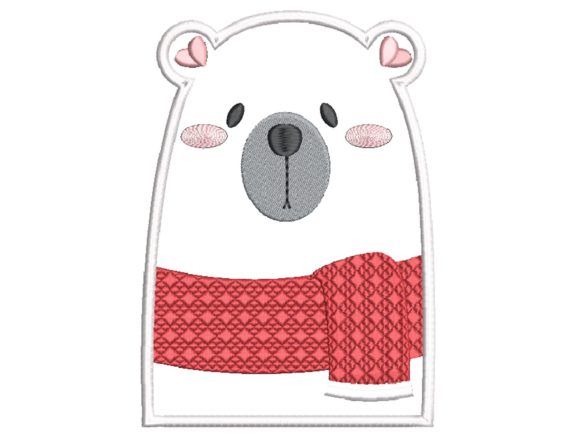
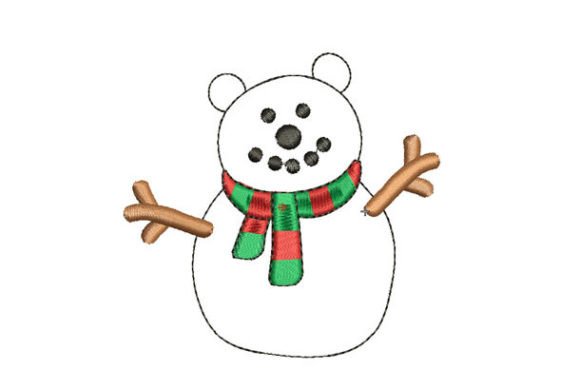
When I first opened the Christmas Bear embroidery design, I had a project already in mind: a custom tote bag for a friend who loves rustic, whimsical holiday decor. My first impression was one of warmth. This isn't a slick, corporate-looking bear; it's a friendly, slightly informal character perfect for what I call handmade-hearted projects.
The Mood It Sets & Where It Belongs
The design’s shape and layout feel approachable. It doesn’t scream high-drama Christmas; it whispers a cozy winter afternoon. The detail level is balanced—not overly simplistic, but without tiny complexities that would vanish on textured fabrics like a sweater. This visual personality makes it a natural fit for personalized gifts, small shop merchandise, and craft business items where a touch of charm is more valuable than perfection.
I immediately pictured it on a canvas tote, a fleece baby blanket, or the corner of a linen apron. It belongs on items that are used and loved, not just displayed.
Real-Life Stitching: From Sweatshirts to Tea Towels
In practical use, this machine embroidery design’s true performance comes down to application. On a mid-weight cotton sweatshirt, with proper stabilizer, the expected fill stitch areas for the bear’s body should create a pleasing, solid look. The potential for satin stitch outlines (common in such designs) would give clean definition against the fabric.
For an embroidered patch, it would be delightful. The design’s inherent friendliness would translate well, making it a great holiday embroidery option for a boutique selling patches for backpacks or jeans. On a baby embroidery item, like a little holiday bib or nursery decor pillow, its gentle theme would be a hit with parents looking for non-traditional, sweet motifs.
For Etsy sellers or apparel decorators, using it on a tote bag design or a simple tea towel creates a product that feels special but not overly formal—ideal for craft fair products or a holiday gift line.
Where to Proceed with Caution
Any design has its careful-use zones. Given the description notes it’s ideal for informal projects, I’d be mindful on very small hoop sizes. If the design has smaller decorative elements, they might lose clarity on a cap’s curved surface. Stitch density is always a consideration; on thin or stretchy fabric like a lightweight t-shirt, testing is non-negotiable to prevent puckering.
Dark fabric requires thoughtful thread color contrast planning. A traditional Christmas bear might use reds and greens; on a black sweatshirt, those colors need to be vibrant and the design well-balanced to pop. Also, for products destined for frequent washing, like kitchen towels, ensuring the stitch structure is robust (through testing) maintains the finished product’s longevity and customer trust.
Impact on Your Business & Your Customer
Using a design like this affects more than just the stitch. Its visual appeal is engaging rather than intimidating, which can boost buyer engagement for small shop products. It adds perceived value to a handmade item because it feels specific and intentional, not generic. That builds brand consistency for a shop with a cozy, rustic aesthetic.
For giftability and handmade presentation, it’s a winner. A pillow cover with this bear feels like a thoughtful, personal holiday gift. It doesn’t look mass-produced. That recognition of unique charm is what creative entrepreneurs thrive on.
Practical Notes from the Hoop
Before you run this embroidery file, here’s my grounded advice. Always test the design on scrap fabric first, using the same material and weight as your final project. Check your thread palette against your background fabric—do a quick black and white mockup mentally to judge contrast. Inspect the design file for any potentially tiny details that might need tweaking for your chosen hoop size.
Use the proper stabilizer for your fabric texture. And crucially, since the product description mentions it comes with multiple embroidery file formats, confirm the compatibility with your machine. Most importantly, confirm licensing before selling any finished items or using it in commercial embroidery projects. The description doesn’t specify license terms, so that’s a step you must take to protect your craft business.
For digital product sellers creating printable mockups or design assets, this bear can be a lovely component for holiday-themed collections, again assuming licensing permits such use.
The Final Verdict for Makers
The Christmas Bear is a design I’d confidently pull for projects that require warmth and character. It’s not for a minimalist, sleek brand, but for the vast majority of makers, hobbyists, and entrepreneurs focusing on heartfelt, holiday-themed goods, it’s a practical and charming choice. It makes the embroidery process feel like creating a friend, not just applying a graphic. That, in the end, is what often translates to a customer’s smile when they receive that custom tote bag or that embroidered baby blanket. It feels like it was made with care, because a design like this inspires you to do exactly that.