A Bold Sports Embroidery Design for Craft Fair Success
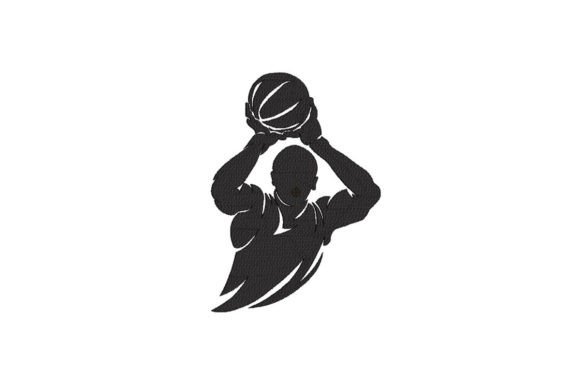
As a professional embroidery designer preparing for a weekend market, every new embroidery file needs to be evaluated not just for its aesthetic, but for its real-world selling potential. Today, I’m reviewing a design titled Basketball Player. Based on the description—a sports embroidery to decorate clothes and interior items with a customizable color scheme—this is a digital embroidery file intended as a freebie. My task is to judge how it transitions from a digital asset to a profitable, handmade product on a craft fair table.
First Impression and Market Mood
Basketball Player immediately suggests a bold, athletic, and dynamic mood. It’s not cute or rustic; it’s energetic and graphic. This is a strength. In a booth filled with varied styles, a clear sports theme acts as a powerful beacon, instantly attracting customers who are fans, parents of active kids, or simply looking for a masculine or spirited gift. The ability to choose the color scheme at discretion is a crucial feature for a handmade product. It allows adaptation to team colors, seasonal palettes, or to match specific fabric backgrounds, elevating it from a generic freebie to a customizable, premium-looking item.
Product Application: Where It Stands Out
The real test is how this machine embroidery design performs on actual craft fair products. Here’s where Basketball Player can shine and where caution is needed.
Strong Candidates for High Visual Impact
For bold, graphic designs, scale and surface are key.
- Tote Bags & Market Bags: A large, centered Basketball Player embroidery on a canvas tote creates an immediate statement piece. It photographs beautifully for online listings and feels like a high-value, usable product.
- Caps: While curved surfaces are tricky, a well-executed sports design on a cap is a classic, fast-selling item. It must be tested for distortion on the curve.
- Pillow Covers: As an interior item, this design could be fantastic on a modern, neutral pillow. It shifts from apparel decor to home decor, appealing to a different buyer.
- Embroidered Patches: This is a potential superstar application. A Basketball Player patch can be sold alone or applied to jackets, bags, or jeans. It’s lower-cost to produce, highly giftable, and taps into a popular trend.
Considerations for Practical Production
Some applications require more forethought.
- Aprons & Tea Towels: Fabric texture matters. On a textured tea towel, fine details may lose clarity. A simplified, bold version of the design might work better. Aprons offer a larger, flat canvas similar to tote bags.
- Small Pouches & Gift Items: If the design has intricate details like tiny lettering or dense stitch areas, reducing its size for a small pouch could make it muddy. Always test at the intended hoop size.
- Dark Fabrics: The description mentions choosing colors, which is vital. For dark fabrics, you’ll need to plan for high-contrast thread colors to maintain the design’s energy.
Selling and Production Points for the Maker
Turning this into a viable craft fair product requires a practical mindset.
Clarity and Customer Engagement
At a busy fair, designs must be understood at a glance. Basketball Player, by its title alone, has that advantage. It tells a story quickly. As a large focal design on a bag or pillow, it creates a conversation starter. As a smaller accent on a cap or patch, it serves as a recognizable symbol for sports enthusiasts. This dual function—both focal and accent—increases its product versatility.
Batch Production and Photography
For repeatable batch production, assess the stitch density and thread color count. A design with overly dense stitching or dozens of colors can slow down production and increase costs. The “choose your color scheme” feature suggests flexibility, which is excellent for creating cohesive batches—like a series of totes in different team colors. For Etsy sellers and small shop products, photography is critical. This bold, graphic design should photograph well against clean backgrounds, making online listings pop. Creating a real, physical mockup is non-negotiable. It reveals how the light hits the stitches, how the fabric interacts, and provides an authentic sample for your booth display.
Careful-Use Notes for Embroidery Success
Professional embroidery means anticipating problems before the needle hits the fabric.
- Test on Scrap Fabric: Always embroider the design on a scrap of the actual fabric you’ll use—whether canvas, cotton, or towel material. This checks for puckering, thread coverage, and clarity.
- Check Thread Contrast: Especially if adapting the color scheme, verify that your chosen threads stand out against your fabric. Light threads on dark fabric often need a bolder, thicker design outline.
- Review Hoop Size & Stabilizer: The ideal hoop size will depend on the design’s intrinsic detail level. For smaller products, you might need to resize the embroidery file, which can affect stitch integrity. Use the correct stabilizer for the fabric weight; a heavyweight tote bag needs different support than a lightweight cap.
- Inspect for Tiny Details: If the Basketball Player design includes very small elements like fine lines or miniature text, consider simplifying or omitting them for production on textured or small-surface items to maintain a clean, professional finish.
- Confirm Commercial Licensing: As this is noted as a freebie, it is imperative to verify the license terms before selling any finished product. Ensure the digital embroidery file is cleared for commercial embroidery use.
Final Booth Display Strategy
In the context of a craft fair booth with aprons, tea towels, patches, and pillow covers, Basketball Player should be showcased as a versatile hero. Display it on two or three different product types to show its range—perhaps a bold tote bag as a centerpiece and a series of patches on a display board. This demonstrates its application and attracts different customer segments. The design’s inherent energy adds a dynamic feel to your booth, breaking up more subdued categories. It can enhance your brand consistency if your shop leans toward modern, athletic, or customizable goods. Ultimately, its success hinges on your execution: choosing the right products, fabrics, and colors to let this sports embroidery design shine as a premium, handmade item that customers can immediately envision owning.